
Difference Between Crumb Rubber and Reclaim Rubber: A Complete Buyer’s Guide
A clear comparison between crumb rubber and reclaim rubber to help buyers choose the right material for industrial applications.
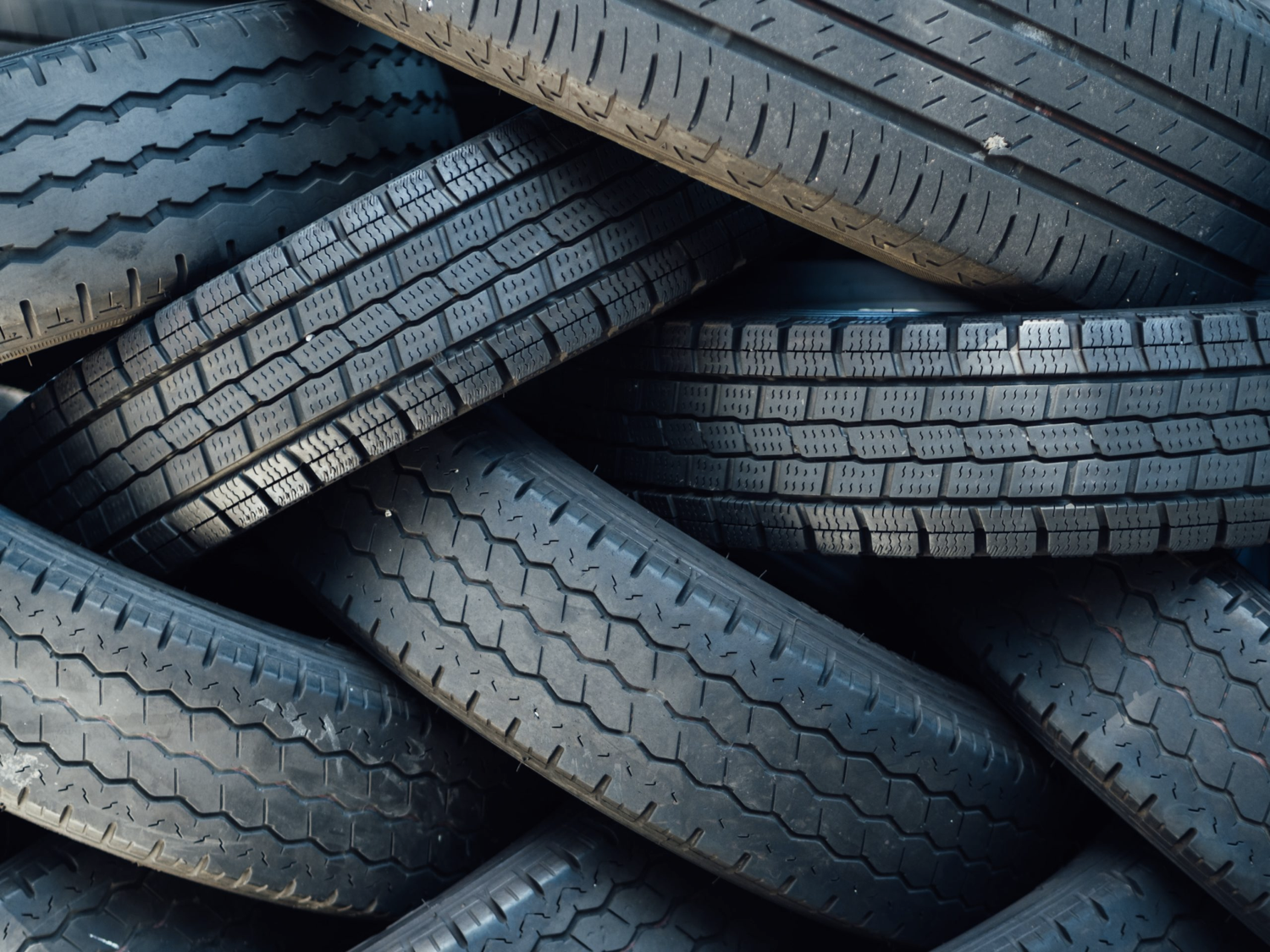
In the recycled rubber industry, two commonly used materials are Crumb Rubber Powder and Reclaim Rubber. While both are derived from waste tyres and rubber scrap, their processing methods, properties, and applications are different.
For traders, exporters, and rubber manufacturers, understanding the difference between crumb rubber and reclaim rubber is essential for selecting the right raw material.
1. Basic Definition
Crumb Rubber Powder
Crumb rubber is mechanically ground rubber obtained from scrap tyres. Steel and fiber are removed, and the rubber is processed into granules or fine powder of various mesh sizes such as 30, 40, 60, 80, and 120 mesh.
It remains vulcanized rubber and does not undergo chemical devulcanization.
Reclaim Rubber
Reclaim rubber is produced by devulcanizing scrap rubber using heat, pressure, and chemical treatment. This process breaks sulfur cross-links, restoring plasticity and making the rubber easier to process and blend.
2. Manufacturing Process Difference
Crumb Rubber Powder:
-
Mechanical shredding
-
Grinding
-
Steel & fiber removal
-
Screening into mesh sizes
-
No chemical change in rubber structure
Reclaim Rubber:
-
Shredding
-
Cleaning
-
Devulcanization (chemical + thermal treatment)
-
Refining and straining
-
Sheet or bale formation
The key difference is that reclaim rubber undergoes structural modification, while crumb rubber does not.
3. Physical and Processing Properties
| Feature | Crumb Rubber Powder | Reclaim Rubber |
|---|---|---|
| Processing | Harder to blend | Easier to mix |
| Plasticity | Low | High |
| Mesh Grades | 30–120 Mesh | Supplied in sheet/bale form |
| Cost Reduction | Moderate | Higher cost savings |
| Replacement Level | Limited | Higher substitution possible |
Reclaim rubber is softer and improves processability, while crumb rubber maintains granular structure.
4. Applications Comparison
Crumb Rubber Applications:
-
Rubberized asphalt
-
Rubber mats and tiles
-
Sports flooring
-
Molded rubber goods
-
Footwear soles
-
Polymer modification
Reclaim Rubber Applications:
-
Automotive rubber parts
-
Rubber sheets
-
Conveyor belts
-
Footwear manufacturing
-
Inner tubes and flaps (Butyl reclaim)
-
General molded rubber goods
Crumb rubber is often preferred in asphalt and flooring industries, whereas reclaim rubber is widely used in rubber compounding and manufacturing.
5. Cost & Performance Considerations
-
If the objective is particle-based blending or asphalt modification → Crumb Rubber is suitable.
-
If the objective is higher replacement of virgin rubber and improved mixing → Reclaim Rubber is more suitable.
-
For airtight applications → Butyl Tube Reclaim Rubber is preferred.
-
For general-purpose rubber goods → Whole Tyre Reclaim Rubber is commonly used.
6. Which One Should You Choose?
The choice depends on:
-
End application
-
Required mechanical properties
-
Budget considerations
-
Replacement percentage in compound
-
Processing equipment compatibility
In many cases, manufacturers use a combination of crumb rubber and reclaim rubber to optimize cost and performance.
Conclusion
Both crumb rubber and reclaim rubber play important roles in the recycled rubber industry. While crumb rubber is mechanically processed and used in granular form, reclaim rubber is chemically treated to improve plasticity and blending properties.
For buyers, traders, and exporters, understanding this difference ensures correct material selection and better supply decisions.
Have a Question?
Fill out the form below and we'll get back to you shortly.